
When a network drop fails in a corporate office, employees experience frustration and brief downtime. When a network connection drops in a hospital or healthcare facility, the stakes are exponentially higher. Electronic Medical Records (EMR) lock up, nurse call systems fail, telemetry streams stall, and patient safety is immediately compromised.
Despite the critical nature of reliable infrastructure, many facility managers, IT directors, and operations leads approach structured cabling staffing as a secondary concern. They rely on generalist contractors, stretch internal IT teams thin, or treat hospital cabling like standard commercial office work. The result? Costly rework, Joint Commission compliance failures, and chronic network bottlenecks.
To protect your clinical operations and ensure 24/7 uptime, you must identify where your low-voltage staffing and execution strategies are falling short. Here are the 7 most common mistakes facilities make with their structured cabling staffing: and how you can fix them.
1. Treating a Hospital Like a Standard Office Building
The Mistake
One of the most dangerous misconceptions in healthcare infrastructure is assuming that low-voltage installation principles for a corporate office apply directly to a clinical environment. Under-scoping outlets per space: such as installing "one data jack per wall": ignores the rigorous data density required by modern medical equipment, PACS imaging workstations, and smart beds.
According to standards like ANSI/TIA-1179, healthcare spaces require structured tiers of low, medium, and high outlet densities (ranging from 2 to 14+ outlets per room). Under-counting drops during initial design inevitably leads to constant, disruptive "add-a-drop" remediation in active clinical areas. Furthermore, generalist teams frequently overlook specialized requirements, such as fiber-optic runs into MRI Faraday cages or precise equipment grounding.
The Fix
Staff your projects with professionals who understand healthcare infrastructure design from day one. Ensure your low-voltage planners and technicians are intimately familiar with ANSI/TIA-1179 standards and design pathways specifically calibrated for 24/7 clinical workflows.
2. Fragmented Cross-Departmental Coordination and Poor Vendor Management
The Mistake
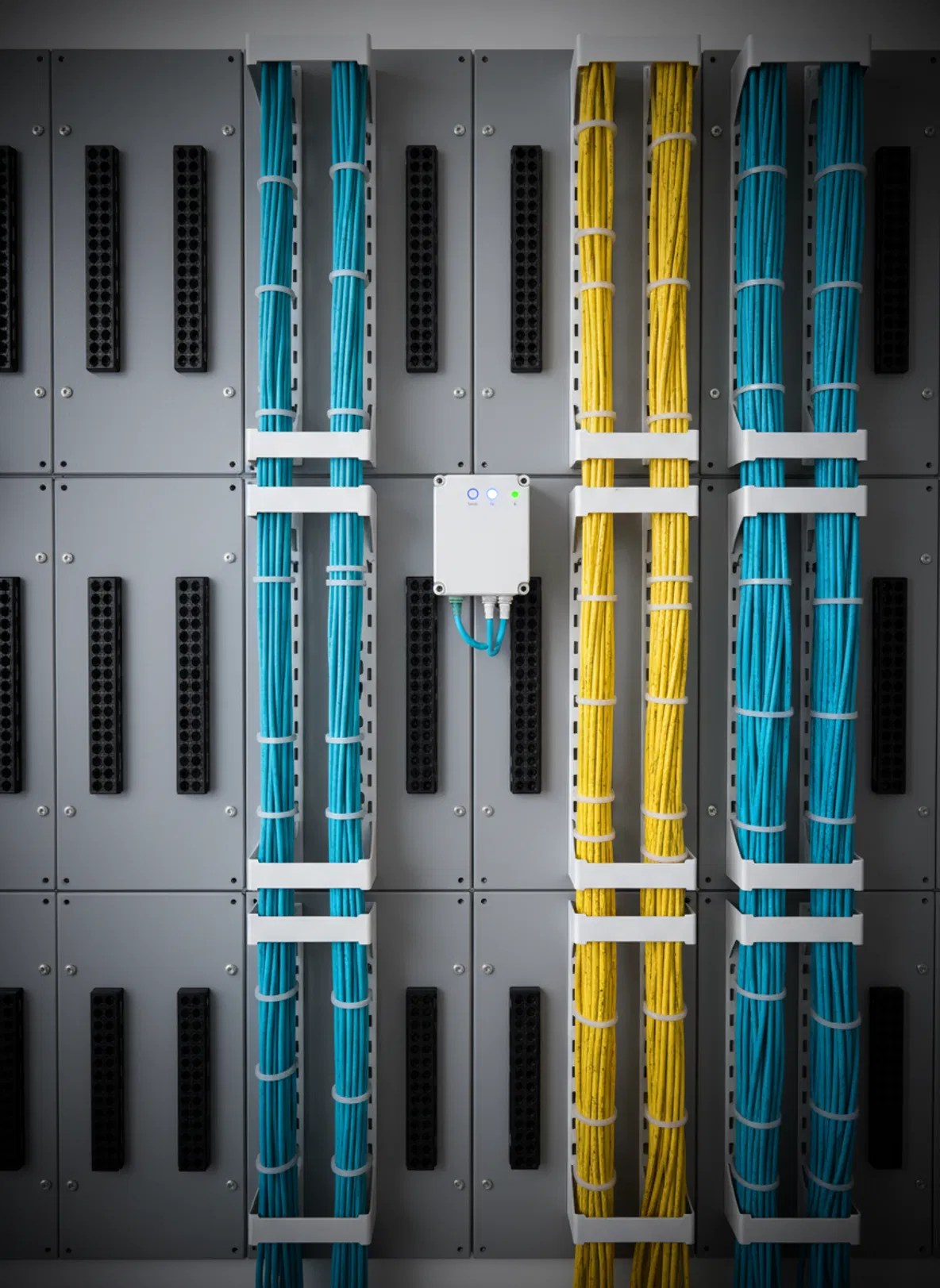
Healthcare facilities are complex ecosystems involving IT, facilities, clinical engineering/biomed, infection control, and nursing. When you spread low-voltage work across multiple uncoordinated vendors: separate contractors for AV, security, nurse call, and Wi-Fi: without a unified plan, pathways bottleneck and installation standards fragment.
Without a single point of accountability, teams step on each other's work, resulting in redundant pathways, missed deadlines, and inconsistent testing documentation.
The Fix
Establish a centralized staffing model with a dedicated prime low-voltage contractor or project lead who holds overall accountability. Require mandatory pre-construction alignment meetings uniting IT, facilities, biomed, and infection control before a single cable is pulled. Through our specialized staffing solutions at Qualified Teks, you can deploy experienced project leads who seamlessly bridge the gap between technical execution and clinical stakeholder management.
3. Ignoring Healthcare Compliance and Infection Control (ICRA)
The Mistake
Above-ceiling work in an active healthcare facility carries immense regulatory risk. Contractors who lack healthcare experience frequently skip or mishandle Infection Control Risk Assessment (ICRA) permits, neglecting dust containment, negative air pressure units, and HEPA barriers.
Additionally, improper or undocumented firestopping at wall and floor penetrations violates NFPA requirements, directly triggering severe Joint Commission citations and potential facility fines.
The Fix
Never deploy unvetted, generalist technicians into clinical spaces. Require that all low-voltage personnel on your job site are fully trained in ICRA protocols and life-safety compliance. Your partner must maintain rigorous documentation for every firestop penetration and above-ceiling enclosure, ensuring your facility remains audit-ready at all times. Explore our approach to compliance-driven workforce solutions on our services page.
4. Compromising on Physical Layer Routing, Separation, and Labeling
The Mistake
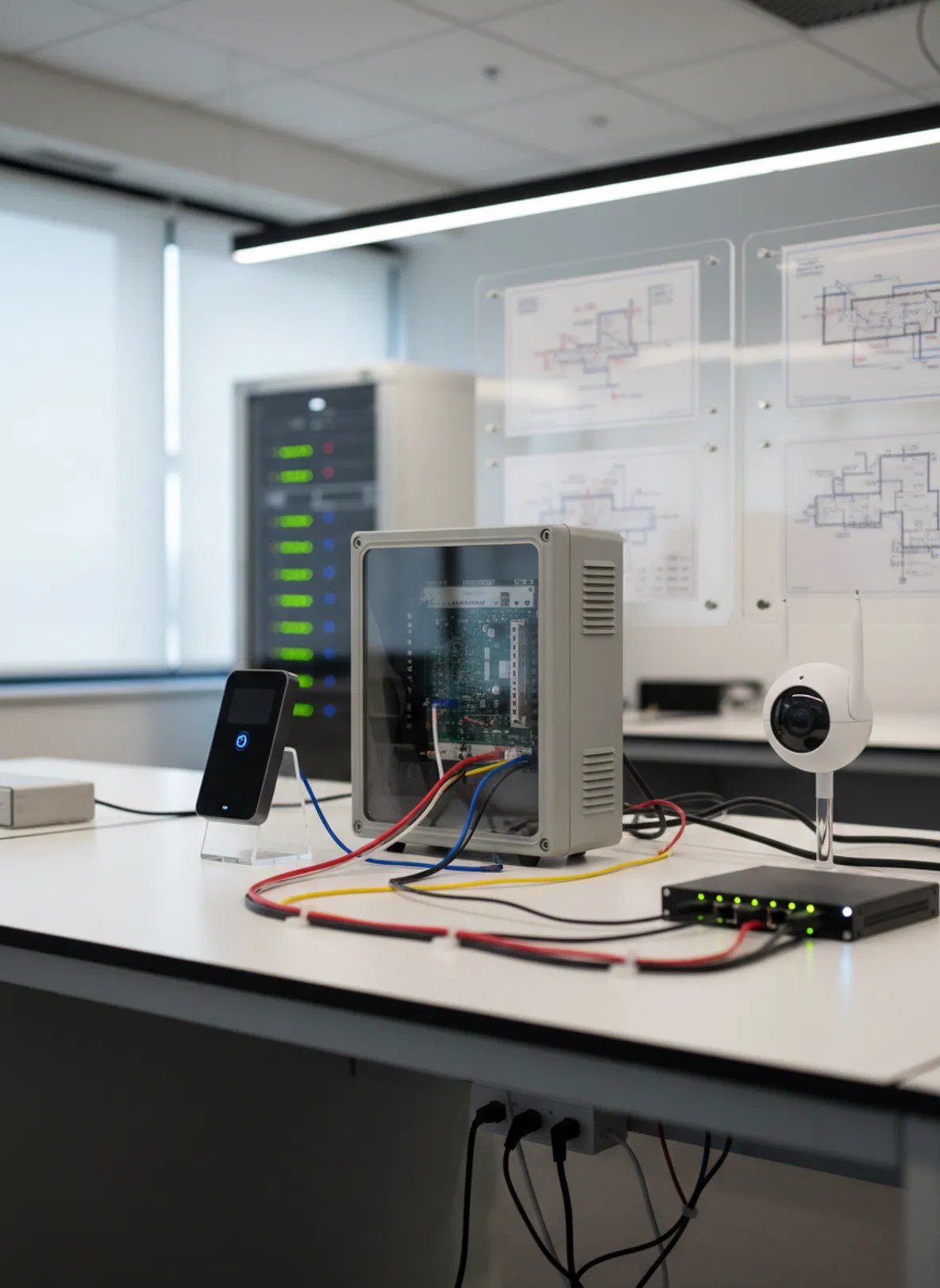
Rushed or under-trained installation crews often take dangerous shortcuts in the physical layer. Common technical errors include running low-voltage data cables directly alongside high-voltage power lines or medical equipment circuits without proper separation or right-angle crossings: introducing severe electromagnetic interference (EMI) that causes intermittent network drops.
Other frequent violations include tightly bundling cables with zip ties that crush internal jackets, exceeding bend-radius limits, and failing to label drops accurately back to patch panels and VLANs.
The Fix
Enforce strict physical layer standards. Technicians must maintain required separation distances from electrical power sources and utilize dedicated cable trays. Every single cable must be meticulously labeled at both ends, corresponding to up-to-date as-built drawings in your facility's CMMS.
5. Under-Specifying Cabling and Overlooking Future PoE Bandwidth Demands
The Mistake
Designing infrastructure for today's minimum requirements is a recipe for premature obsolescence. Deploying legacy Cat5e cabling instead of robust Cat6A or single-mode fiber restricts network speeds, limits long-run performance, and fails to support high-wattage Power over Ethernet (PoE) devices such as advanced IP cameras, wireless access points, and bedside clinical terminals. Furthermore, high-wattage PoE bundles generate heat, which can degrade cable performance if thermal thresholds aren't accounted for in the initial design.
The Fix
Future-proof your infrastructure by specifying Cat6A horizontal cabling and high-capacity fiber backbones as the baseline for all new healthcare builds and major renovations. Ensure your engineering and installation staff understand PoE thermal dynamics and bandwidth roadmaps.
6. Unmanaged Scheduling in Live Clinical Environments
The Mistake
Attempting to pull cable, terminate panels, or test drops during peak clinical hours creates unacceptable noise, dust, and operational disruption. Moreover, performing intrusive low-voltage upgrades without establishing robust failover and redundancy protocols puts critical systems: such as EMR servers and telemetry: at immediate risk of unplanned downtime.
The Fix
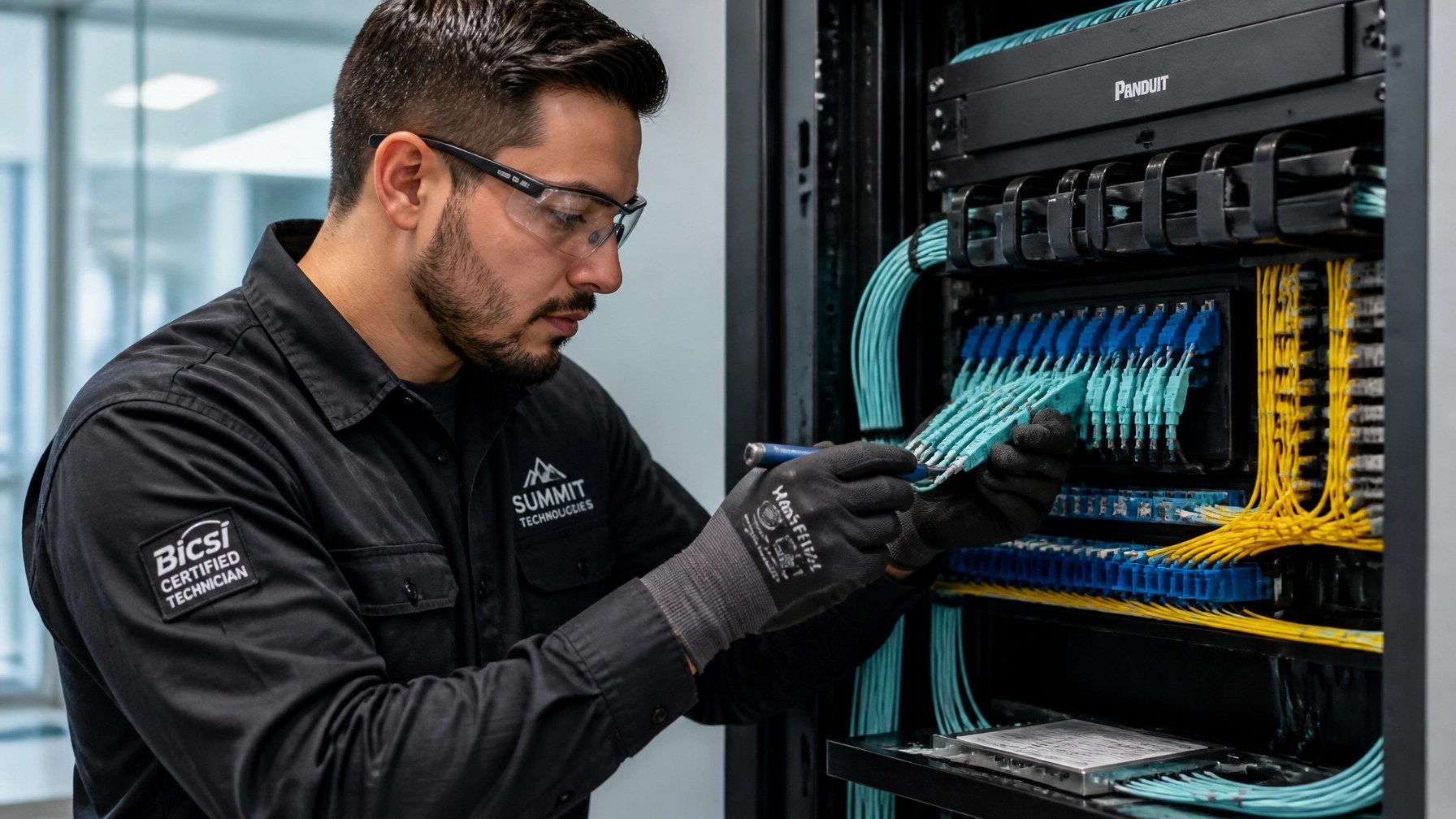
Healthcare-ready low-voltage teams plan meticulous off-hour and phased installations. They bring adequate staffing levels to execute rapid, high-precision work within tight maintenance windows while maintaining ironclad rollback plans. If your internal crew is too thin to handle off-hour scheduling safely, supplementing your workforce with skilled contract technicians is essential. Learn how our flexible hiring models can support your timeline on our employers page.
7. Partnering With Generalist Contractors Instead of Specialized Low-Voltage Staffing Experts
The Mistake
The root cause of nearly all healthcare cabling failures traces back to partner and staffing selection. Relying on general electricians, internal IT staff with no structured cabling certification, or generic low-voltage vendors lacking healthcare portfolios frequently results in poor project management, code violations, and absent certification testing.
The Fix
Partner with specialized staffing and low-voltage experts who understand the unique demands of healthcare environments. Look for providers with proven industry credentials, RCDD oversight, ICRA-certified field techs, and a rigorous pre-screening process.
Build a Reliable Infrastructure With Qualified Teks
Preventing structured cabling failures in healthcare facilities requires more than just extra hands on site: it demands deep industry expertise, rigorous compliance discipline, and highly skilled, pre-vetted technicians.
At Qualified Teks, we specialize in providing elite low-voltage technicians, fiber optic installers, and project support professionals tailored specifically to the rigorous demands of healthcare, technology infrastructure, and industrial sectors. Whether you need rapid-response contract staffing for an urgent upgrade or specialized direct-hire placement, we deliver the reliability your facility demands.
Ready to strengthen your low-voltage workforce? Contact us today to discuss your upcoming project requirements with our staffing specialists.

Leave a Reply